
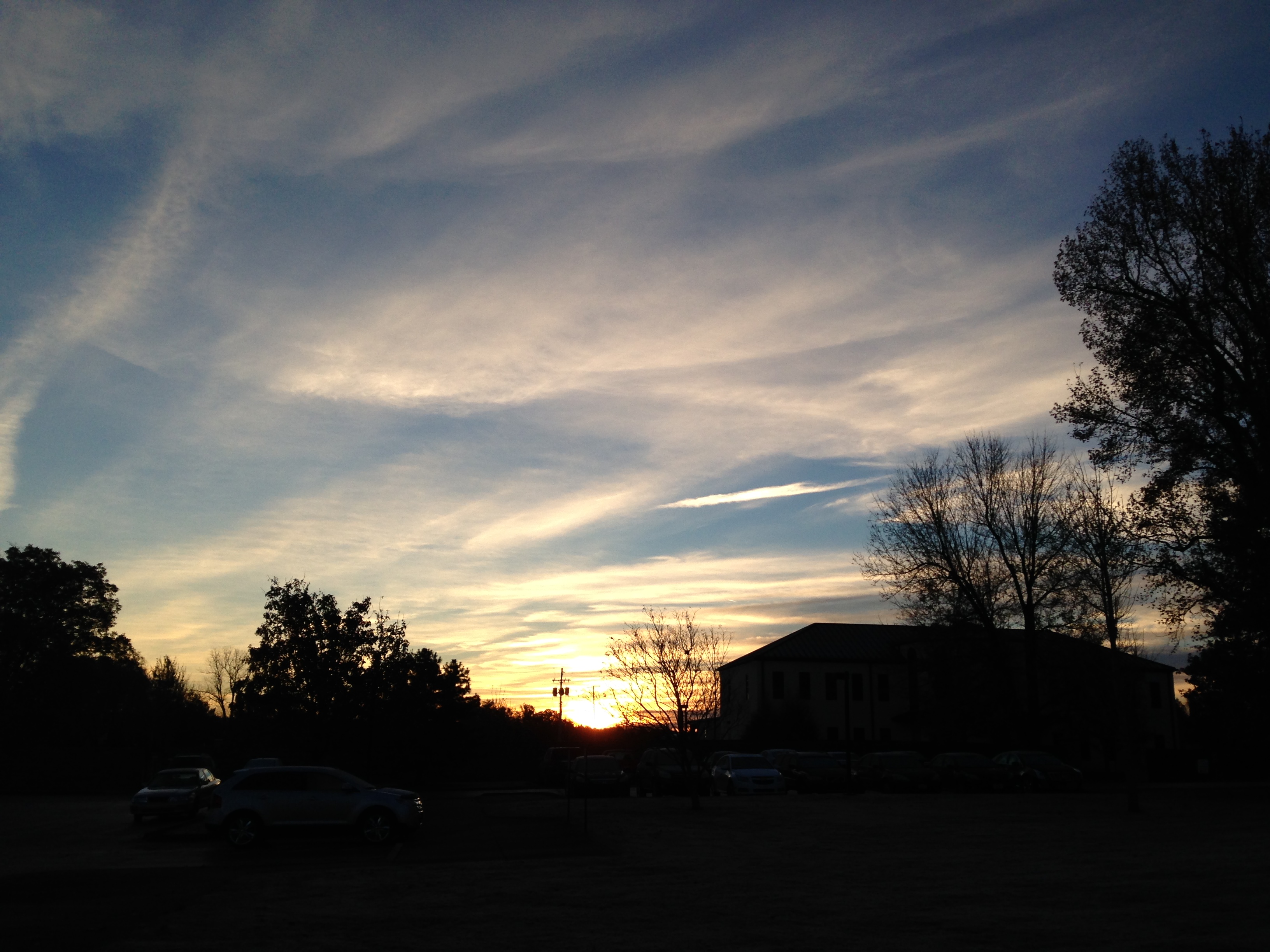
 Today’s readings from Isaiah, Paul and Matthew tell us that our light will shine forth if we serve others and are attentive tom their needs. We are challenged to be the light shining forth and then light of the world. It is not our power but the power of God working in us and creation. God does not want our sacrifices. True religion is alleviating the suffering and misery of others.
Two weeks ago we talked about the marvelous story of the universe flaring forth from God almost 14 billion years ago. As matter clustered and formed stars the stars carried on the work of the Creator. We and all the universe came from stardust. God’s presence is the DNA of all that exists—millions of galaxies with billions of stars. The Bible captures this in metaphor—we are created in the image and likeness of God. Every human being comes forth from the primal stardust. The bottom line is that every person is worthy of respect.
I am reading another biography on Pope Francis. As Bergoglio in Argentina, he recounted the story of a woman who lost her husband. She could find work occasionally. To support her children, she turned to prostitution. Bergogilo and his church provided food baskets to help her out. One day she showed up and asked to see the future pope. He thought she was coming to thank him for the food. Instead, she said, “I want to thank you. You always called me senora. You always called me senora. In spite of her lifestyle, he always showed her deep respect.
Martin Luther King reminds us that the universe bends toward justice. The Risen, Cosmic Christ is working through the power of the Spirit to bring all things to completion. All religions are based on justice—right order—and compassion—waling in another’s shoes.
Hospitality was a key component of Old Testament religion. Abraham greeted three strangers and offered them hospitality—it was really a visit from God. Christianity continues this tradition of hospitality, especially to the stranger. Benedictine monasteries are special places of hospitality—places where the stranger is welcome. The Rule says, “Let everyone that comes be received as Christ.”
Jesus continued this tradition of justice and compassion by welcoming the stranger and outcast. He partied with tax collectors and prostitutes. Jesus also crossed social and religious boundaries and accepted strangers. Jews and Samaritans were at times deadly enemies. In one incident, Samaritans massacred Galilean pilgrims who were going to Jerusalem. Instead of going the long way from Galilee to Jerusalem, Jesus travelled through Samaria. He met the woman at the well. He broke the rules by talking to her. Despite her having had 7 husbands, Jesus respected her and told her to go sin no more. On another trip, Jesus cured 10 lepers—only the Samaritan came back to thank him. On another occasion a Phoenician woman from Syria sought healing for her daughter. She challenged Jesus’ calling Syrians dogs and Jesus granted her the healing she sought.
Jesus makes his message very clear in sheep-goat judgment scene in Mt 25—when did we see you, Jesus. When you welcomed the stranger. Jesus’ life tells us that we cannot discriminate against others on the basis of religion or national origin. In Luke 6 Jesus sums up his mission:
“The Spirit of the Lord is on me,
because he has anointed me
to proclaim good news to the poor.
He has sent me to proclaim freedom for the prisoners
and recovery of sight for the blind,
to set the oppressed free,
19 to proclaim the year of the Lord’s favor.”
Today we have a tremendous refugee crisis in our world. Refugees are described in the Bible as “stranger”—the Hebrew word for refugee is ger. Throughout the Old Testament and New Testament we find stories about refugees. Abraham left Ur of Chaldea. God delivered the Hebrews from oppression in Egypt. In fact, Moses told the people to treat the refugees among them with respect because they we once refugees in Egypt. The numerous conquests and deportations when the Babylonians and Assyrians invaded Israel created refugees. Jesus and his parents were once refugees in Egypt when the fled Herod’s wrath.
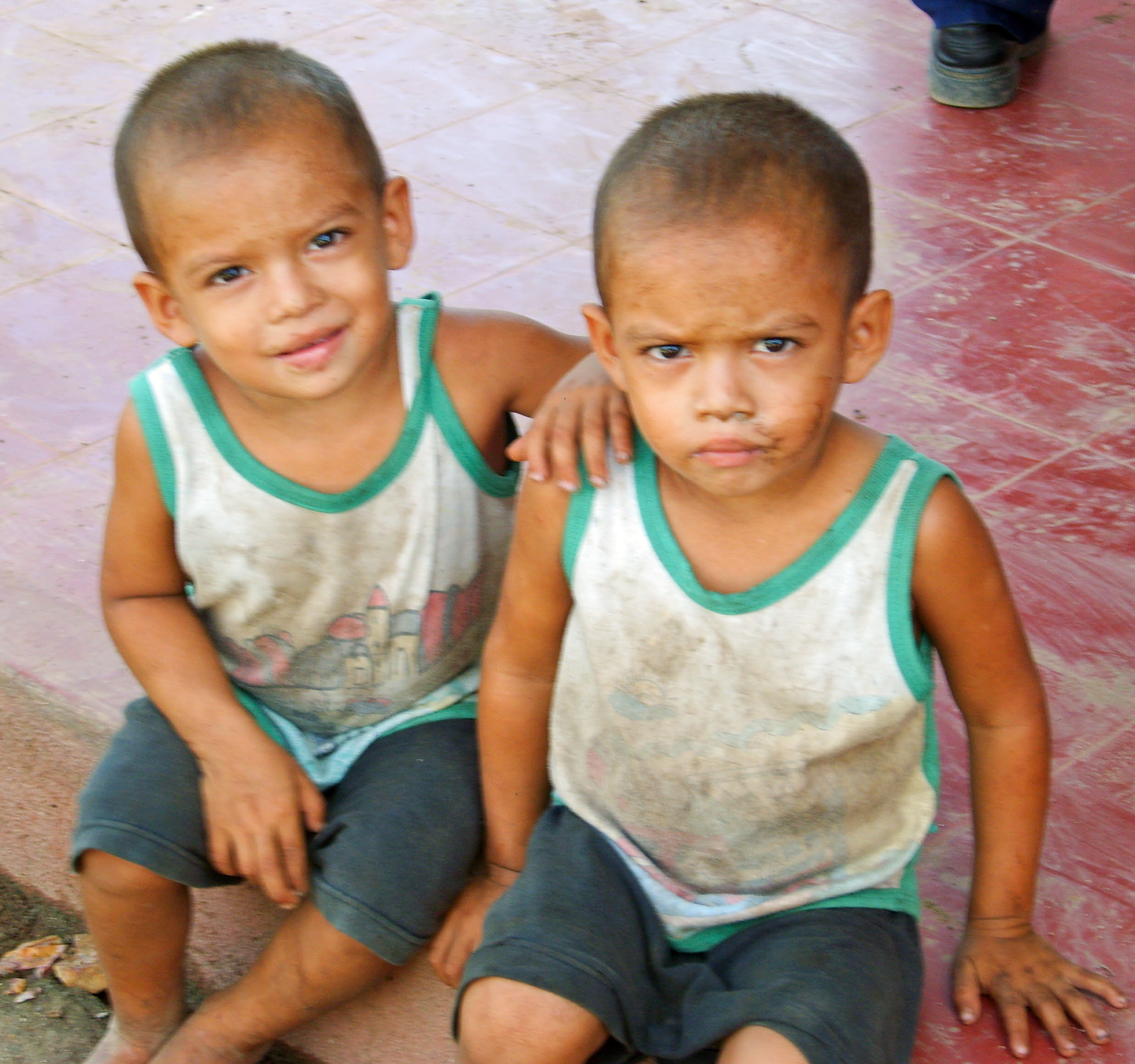
As Christians, we are called to care for refugees. Note, I am not talking about immigrants. Refuges are a special class of immigrants. They are fleeing religious, ethnic, or personal persecution or warfare and civil strife. Refugees can apply for refugee status and the host country then vets them for security purposes. This is the case with Syrian refugees. Pope Francis has warned us that we cannot call ourselves Christians if we refuse to accept refugees. The Episcopalians, Lutherans, Methodists, Baptists, and the United Church of Christ have made statements about our moral obligation to accept refugees.
I stand before you today because my paternal and maternal grandparents were refugees. Patrick and Catherine Mahon came from Ireland in 1860. They were fleeing religious persecution and starvation in Ireland. They came on coffin ships Often over half of the refugees on these ships would not survive the crossing. Patrick became a coal miner in Pennsylvania only to die in a mining accident in 1880.
Heinrich Bitting came from Southwestern Germany in 1735 because of religious persecution and constant warfare with France.
My wife’s forbears came from Ireland and Italy. In this wave of immigration, they suffered greatly. Like the Chinese immigrants before them, they were disrespected. Irish were depicted in turn of the century editorial cartoons as simian apes and often saw, “Irish need not apply” signs in storefronts.
I am indebted to my refugee grandparents who came to America to make a better life for themselves and, ultimately, me. I am glad they were allowed to come to Ellis Island where the Statue of Liberty now stands. Ironically, Frédéric-Auguste Bartholdi originally designed a statue for the Suez Canal using an Arab woman as the model. When that project failed, he clothed the woman in Roman-Greek garb. The Emma Lazarus inscription on the statue begins:
“Give me your tired, your poor, Your huddled masses yearning to breathe free, The wretched refuse of your teeming shore.” “Give me your tired, your poor, Your huddled masses yearning to breathe free, The wretched refuse of your teeming shore.”
Unless you are full-blooded First American, you are descendants of immigrants. If you go back into your family history, you may find out that your forbears were refugees.
If we are to let out light shine forth, if we are to be light of the world, we must speak out. When refugees are not accepted, we have the responsibility to speak out. We may become strangers in a strange land. Remember that Christians from the early days have been persecuted because they were counter cultural. The values of the world are not always Christian values.
I recently saw the story of a sign language interpreter. As the state news station was broadcasting falsehoods, then interpreted signed the truth from the PIP box on the screen. I think this is a great analogy for being the light of the world.
Let us be the light of the world and the salt of the earth. In these troubling times, I conclude with words from the Desiderata:
Go placidly amid the noise and haste, and remember what peace there may be in silence.
As far as possible without surrender be on good terms with all persons.
Speak your truth quietly and clearly; and listen to others, even the dull and the ignorant; they too have their story.
. . .
You are a child of the universe, no less than the trees and the stars; you have a right to be here. And whether or not it is clear to you, no doubt the universe is unfolding as it should.
Therefore be at peace with God, whatever you conceive Him to be, and whatever your labors and aspirations, in the noisy confusion of life keep peace with your soul. With all its sham, drudgery, and broken dreams, it is still a beautiful world.
Be cheerful. Strive to be happy.
People in the entrance will have copies I made for you of the complete Desiderata.

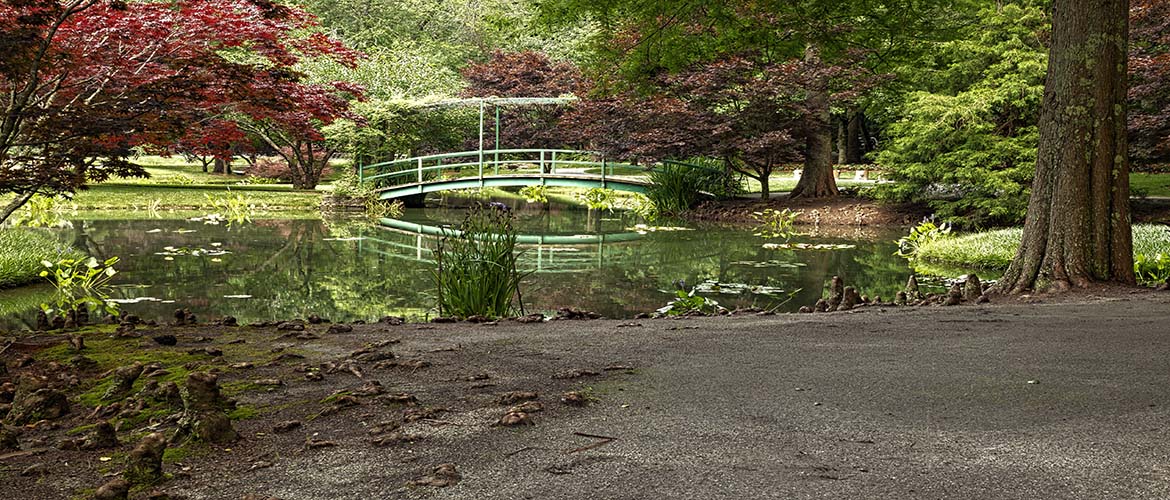 At this time of year, we hear promises. Amid the din, noise and distractions of this world, we keep getting messages of hope. Whether it is an Advent service or a Hanukkah service, light appears in winter darkness.
 We can lament that the Holy One is working much too slowly to bring creation to completion. Or, we too can nurture our imagination, roll up our selves and accept the invitation to be co-creators. We can become the light in the darkness. We can develop beauty amid chaos. We can bring light to darkness. It is up to us to bring about the promise of hope and make it a living reality.